
Door and window procurement guide: How to achieve the best match between aluminum and glass?
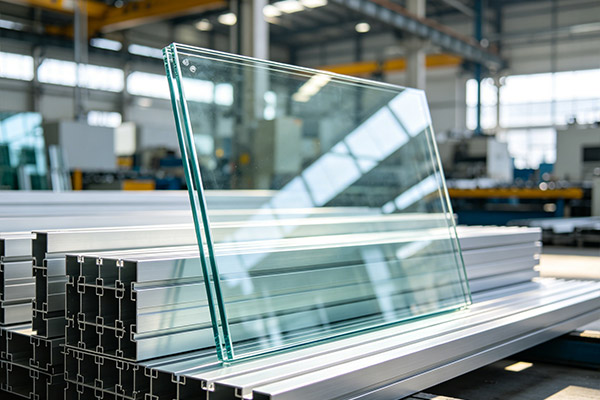
Aluminum and glass are the two core components in the procurement of door and window systems. The matching degree between the two directly affects the performance of the entire window. Here are several common matching principles that apply to various types of construction projects.
Principle 1: Choose glass configuration based on climate conditions
The climate varies greatly in different regions, and the requirements for the performance of doors and windows are also different.
Cold regions: prioritize insulation performance. It is recommended to use Low-E insulated glass, and if necessary, three glass two chamber or argon filled configuration can be used to reduce the heat transfer coefficient.
Hot areas: prioritize insulation and shading. It is recommended to choose sunshade Low-E glass, which can effectively block solar thermal radiation from entering the room.
Noise sensitive areas: prioritize sound insulation performance. Asymmetric thickness configuration of insulated glass or laminated insulated composite glass is a better choice.
Principle 2: Pay attention to the size matching between aluminum and glass
The slot width of aluminum profiles determines the thickness of glass that can be accommodated. Before procurement, it should be confirmed whether the total thickness of the glass product is within the design range of the aluminum groove, in order to avoid poor sealing caused by the glass being too thick to install or too thin.
Principle 3: Unified Quality Control Standards
When glass and aluminum come from the same supplier, quality control is easier to unify. The standard differences between different suppliers may lead to the accumulation of dimensional errors, ultimately affecting the installation effect. Choosing a manufacturer with dual capabilities in glass processing and aluminum manufacturing can help reduce such issues.
Principle 4: Consider delivery cycle
The asynchronous cycles of glass production and aluminum processing may lead to overall project delays. It is recommended to clearly inquire about the production and delivery time of both parties during procurement, and try to choose suppliers who can coordinate production to shorten the overall delivery time.